More than 200 Montana sportsmen and women delivered a letter to Senator Jon Tester, Senator Steve Daines, and Representative Greg Gianforte today calling on them to support the full funding and reauthorization of Land and Water Conservation Fund(LWCF).
LWCF, which expired over the weekend, supports land acquisition, conservation easements, and other projects that provide public access for hunting and fishing, as well as preserving essential wildlife habitat and migration corridors in Montana and across the nation. The 54-year-old conservation program expired when Congress failed to reauthorize it before September 30.
“Congress made a big mistake allowing this program to expire. Montana hunters, anglers, and other outdoors people care deeply about the access and habitat restoration provided by the Land and Water Conservation Fund,” said Dave Chadwick Executive Director of Montana Wildlife Federation. He continued, “The importance of LWCF to hunters and anglers in Montana cannot be understated.”
Senator Jon Tester has supported full funding for LWCF for nearly a decade. Last summer, Senator Steve Daines joined Senator Tester in supporting S. 569, a bill that would provide full, permanent funding for the program. On Tuesday, Senator Daines, as a member of the Senate Energy and Natural Resource Committee, will have a chance to vote on the bill.
“Senator Daines has a chance to stand with Montanans and help move the ball forward on full-funding and reauthorization of LWCF when he votes tomorrow,” added Chadwick.
The House of Representatives did not pass legislation to reauthorize or fund LWCF before adjourning last week for a six-week break. Rep. Gianforte supports legislation to reauthorize LWCF but does not yet support legislation to fully fund the program.
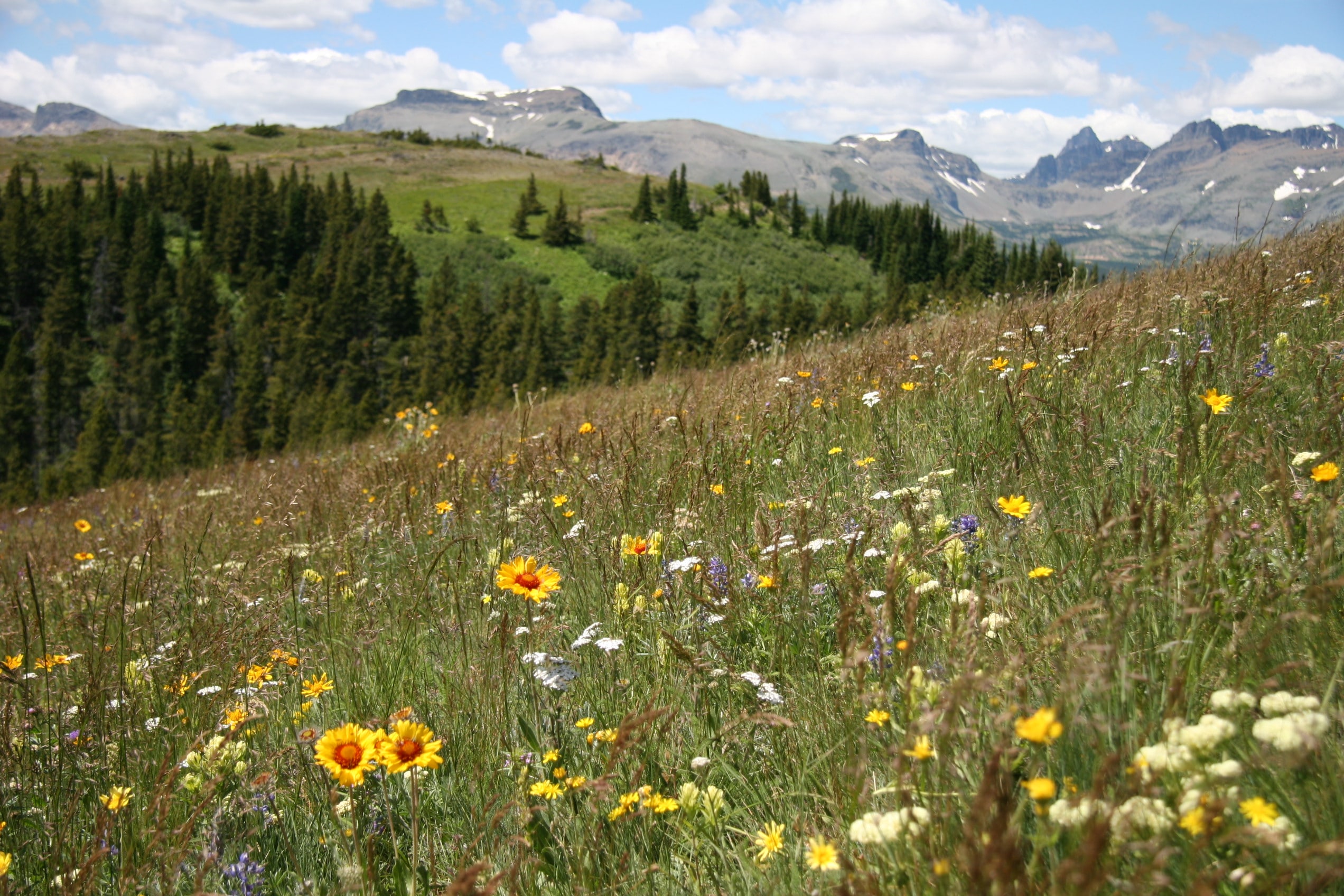
Photo by Kendall Flint, President, Glacier-Two Medicine Alliance
Yesterday, District Court Judge Richard Leon ruled to reinstate two oil and gas leases in the Badger-Two Medicine, a treasured landscape on the Rocky Mountain Front that is sacred to the Blackfeet Tribe and provides crucial habitat for a multitude of species. This ruling is a setback for efforts to protect the Badger-Two Medicine, which has been a priority for the Blackfeet, MWF, and many conservation partners for decades.
The decision by Judge Leon to not uphold the cancellations of the Moncrief and Solenex oil leases is a severe loss for all Montanans. The leases in question were granted in the 1980s without proper regard for the values of the area and without consultation with the Blackfeet Nation. The overwhelming majority of Montanans support protecting this area, which harbors elk, deer, grizzly bears, bighorn sheep, and native cutthroat trout. Recognizing the value of the Badger-Two Medicine, nearly every other lease in the area has been canceled or withdrawn. All of the major energy companies that held leases supported the cancellations as the “right thing to do.” These last two leaseholders are extreme outliers and have repeatedly rejected reasonable offers to find alternative and more appropriate sites for development.
The decision by Judge Leon also contradicts statements made by Secretary of Interior, Ryan Zinke. Zinke indicated as recently as last year that he would like to consider the Badger for national monument status. At the time Secretary Zinke described the area as “one of the special places in our country that I think is deserving of monument status.” It’s hard to see how such a special place should be subject to illegal oil and gas drilling. By not upholding protections for the Badger we take a huge step backward. These actions say that righting the wrongs done to the Blackfeet Nation is not a priority.
Photo by Kendall Flint, President, Glacier-Two Medicine Alliance
MWF encourages Secretary Zinke, the Department of Interior, and all decision-makers to look to what is best for Montanans, take action, and work to ensure the permanent protection of the Badger Two-Medicine. In light of this recent ruling, it is now vital that Secretary Zinke stands by his word to champion the Blackfeet and stand in defense of the Badger. He should start by appealing this ruling, and then he should redouble efforts to work with local stakeholders to find permanent protection for the area.
Regardless of where Secretary Zinke lands in his decision, MWF reaffirms our stance that it was wrong and illegal to lease the area 40 years ago, and it’s wrong and illegal now to allow past errors and grievances to persist. With their decision to cancel the leases, the federal government was righting a longstanding wrong. A delay in action following a wrong does not make that wrong a right. MWF will continue to support the Blackfeet in their efforts and show up and stay engaged on this issue. If the Badger is important to you, contact your elected officials and the Department of Interior and tell them to protect the Badger in perpetuity.
The Land and Water Conservation Fund (LWCF) has helped support and secure the United States’ wildlife heritage since 1964 by supporting Montana hunters, anglers, and outdoor recreation, according to a new report today from the National Wildlife Federation. LWCF, however, is at risk of expiring unless Congress acts by the end of September to reauthorize and fully fund this critical conservation program.
According to the new report, two football fields’ worth of natural areas in the West have been disappearing every 5 minutes. The Land and Water Conservation Fund helps solve this problem by buying and protecting land for Americans to use for hiking, camping, fishing, hunting, and simply enjoying being in nature. These public spaces are then available for people to hike, camp, hunt, fish and enjoy being in nature.
“As America’s population grows, we need to grow our protected places and parks with it. The Land and Water Conservation Fund has been critical to securing the special places that hunters, anglers, and others count on to recreate and safeguard our wildlife heritage for future generations. This report vividly highlights how this is all at stake unless Congress acts within the next two weeks,” said Tracy Stone-Manning, associate vice president for public lands at the National Wildlife Federation.
“The Land and Water Conservation Fund doesn’t cost taxpayers a dime — it’s paid for by fees that are collected on offshore energy development. It should be a no-brainer for Congress to reauthorize and fully fund this amazing program so that all of their constituents will continue to benefit from it,” Stone-Manning continued.
Outdoor writer Hal Herring, who lives in Augusta, imagined the loss Americans would experience as a future without the Land and Water Conservation Fund: “The end of the LWCF will be the end of an era in the U.S., an era in which the common citizens have come to expect a higher quality of life, cleaner waters for swimming, open spaces for running and playing with their children, the ability to hold on to traditions like hunting and fishing, hiking, wandering and camping, experiencing the true freedom of our birthright as Americans.”
Senator Jon Tester and Senator Steve Daines are both cosponsors of legislation to reauthorize and fully fund LWCF. Representative Greg Gianforte is on record supporting permanent authorization for the program.
“The bipartisan support for LWCF across Montana’s congressional delegation shows how important this program is to Montana’s outdoor way of life,” said Montana Wildlife Federation executive Director Dave Chadwick “We hope our leaders can get this program fully funded before it expires. Our outdoor heritage is too important to be left up to partisan politics in Washington, DC.”
The new report outlines the projects that The Land and Water Conservation Fund has invested in that benefit sportsmen and wildlife by increasing access to hunting and fishing grounds and connects wildlife migration corridors so there are more continuous wilderness across America. The Land and Water Conservation Fund utilizes fees on oil and gas revenues from the outer continental shelf and has zero cost to taxpayers.
LWCF is personal to all of us who hunt, fish, hike, and camp on Montana’s public lands. HR 502 was passed by the House of Representatives Natural Resource Committee. HR 502 DOES permanently reauthorize LWCF, but the bill does NOT authorize a specific funding level. There is more work to do. Sign a letter to Montana’s congressional delegation today asking them to fully fund the Land and Water Conservation Fund.
Earlier this week, the Montana Wildlife Federation, joined by nine other Montana sportsmen’s organizations sent a letter to the Farm Bill Conference Committee calling for strong conservation measures in the 2018 Farm Bill.
As the Farm Bill moves into Conference, our organizations are working to support strong conservation measures. The groups call for maintaining the funding within the Conservation Title. We are also pushing for an increase in the Conservation Reserve Program, with the addition for a permanent easement option.
As the largest private land conservation tool, the Farm Bill provides essential habitat for Montana’s waterfowl, upland birds, deer, and countless other species. All Montanans benefit from a strong Farm Bill.
We will continue to make sure the Conference Committee focuses on private land conservation with an emphasis on programs that have been proven effective for farmers and ranchers, fish and wildlife, and hunters and anglers.
Jeff Lukas
Conservation Director
Jeff Lukas is a passionate conservationist who has been fishing and hunting his entire life. Whether it’s floating a small stream chasing trout, pursuing elk in the high country, or waiting in a blind for ducks to set their wings, Jeff is always trying to bring more people afield to show them what we are trying to protect. He loves being in the arena, and he will never shy away from conversations about the beautiful and unique corners of Big Sky country.