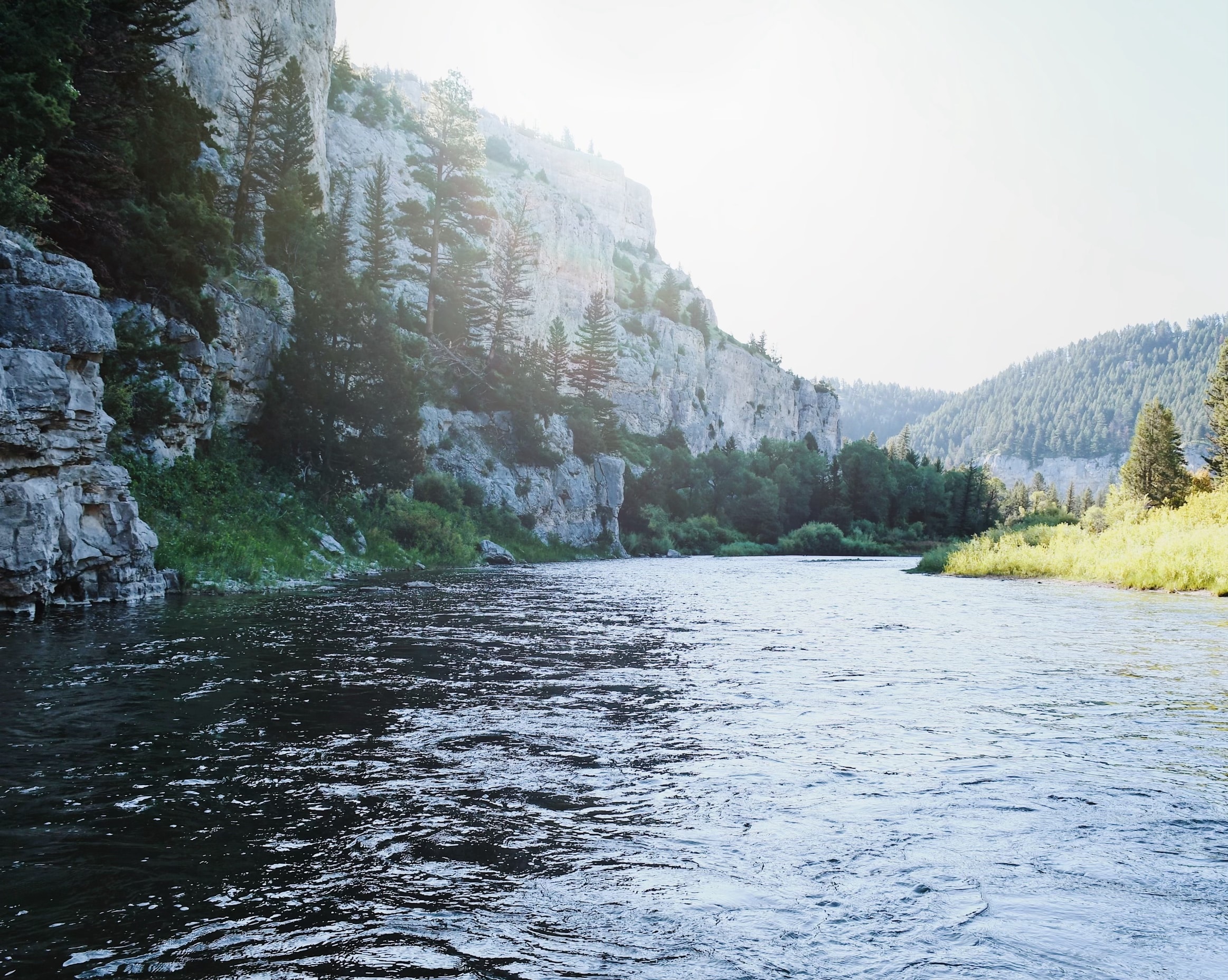
MWF Applauds the Bureau of Land Management’s Draft Resource Management Plan for Greater Sage-Grouse

In mid-March, the Bureau of Land Management (BLM) announced long-awaited draft updates to the federal management plan for greater sage-grouse habitat across 10 Western states. Without the updates, oil and gas companies will continue to lease land that could be better managed for big game, ranching, fishing, and recreational activities – a longstanding and well-documented problem in southwestern Montana. 

This update is an opportunity for a renewed commitment to safeguarding the sagebrush ecosystem, which is essential for more than 350 species of conservation concern, including the Greater sage-grouse and other wildlife species that live in and around the Big Hole, Beaverhead, and Centennial Valleys. Notably, the updates protect Montana’s outdoor recreation economy, farms, ranches, and our communities’ cultural traditions from speculative development. Public comment will open tomorrow, March 15, and end on June 13, 2024. BLM will conduct 13 public meetings, two of which will be virtual. 

The economic importance of hunting and fishing in federal oil and gas leasing decisions is critical to Montana. A 2021 report commissioned by MWF and conducted by the Bureau of Business and Economic Research at the University of Montana revealed that hunting and angling in Beaverhead County alone contribute over $167 million yearly to Montana’s economy. These activities also create more than 1,400 jobs, many of which are located in the county, a significant contribution given the county’s population is just over 9,400. Moreover, the county is home to nearly 500 family farms and ranching businesses, which have generated up to $147 million in revenue in recent years. 

In response, Frank Szollosi, Executive Director of the Montana Wildlife Federation released the following statement: 

“Speculative oil and gas development does not belong alongside family ranches and on our public land in the Big Hole, Beaverhead County, and other places in Montana where there is virtually nothing to drill. Leasing reform benefits will extend beyond improving Greater sage-grouse populations– it promises better habitats for other important species, including pronghorn, elk, mule deer, and trout, by ensuring that oil and gas leasing only occurs where there is real development potential. Montana’s public land and working ranches are critical wildlife habitats and should be managed for conservation, agriculture, recreation, and other uses. Ecology and economics both support taking this step forward.” 

Secretary of State Polls Legislators to Vote on Veto Override of Senate Bill 442

After a legal battle and delays spanning nearly a year, the Montana Secretary of State has officially issued the veto override poll to legislators for Senate Bill 442.
 
This comes more than 10 months after Governor Greg Gianforte vetoed the bill before giving lawmakers the constitutionally mandated opportunity to override the veto, sparking months of litigation surrounding the veto and legislative process.
Now it’s time for our legislators to have their say and vote on whether to overturn the Governor’s veto of this common-sense legislation that garnered support from 130 out of 150 legislators during the 2023 Legislative Session. 

“Senate Bill 442 will have a transformative impact on all Montanans—improving wildlife and landscapes while supporting veterans and rural communities,”  said Frank Szollosi, Executive Director of the Montana Wildlife Federation. “Hunters, anglers, and landowners will be able to tap $30 million for habitat improvements, representing the largest investment in conservation in over four decades. Respectfully to the 130 legislators who supported this vital bill almost a year ago, ‘Stick to your guns.’ The next 30 days will impact what makes Montana, Montana, for the next 30 years.”

HELP ENSURE THE PASSAGE OF SENATE BILL 442:


Please take a minute to contact your legislators and urge them to support Senate Bill 442!

Here’s where you can look up your legislator, and find their email.

Email your legislator using this template:

Subject: Please vote YES on Senate Bill 442

I live in [insert city], and I am asking you to support the override of the veto on Senate Bill 442. This legislation benefits every single Montanan, along with many other important things in Montana like county roads, veterans, mental health services, public lands access, and much more. I am asking you to vote YES on the Senate Bill 442 veto override and finally make it law. 

Montanans put aside their differences to work together to build SB 42 alongside Senator Lang and many of you in the Legislature. The unwavering dedication to those people and the policies within SB 442 deserve your continued support. 

I realize the session ended long ago, but 130 out of 150 legislators voted for this less than a year ago and now that you have the opportunity to support this legislation again that support . I sincerely ask you to vote yes on the SB 442 veto override and encourage your colleagues to do the same.

Willowcutting EA Square 580 × 320
Senate Bill 442 would set aside funding for conservation, including money for increased work on water infrastructure and noxious weed management, as well as habitat improvements on public land.

We know many of you have already reached out to your legislators and appreciate all of the work that has gone into getting this bill to the point it’s at. Now, it’s a crucial time for the fate of this bill, and they need to hear from each and every one of us.

Investing in conservation is an investment in our future, and your involvement can make a difference in securing funding for conservation and supporting our communities. Senate Bill 442 provides an opportunity to lay the groundwork for continuous funding that will protect our natural heritage for generations to come.

As a reminder, Senate Bill 442 would:

1.) Provide permanent property tax relief for disabled veterans and their widowed spouses. 

2.) Maintain funding for wildlife management and critical recreation infrastructure, like state parks and trails. 

3.) Enhance Montana’s conservation tools by allowing for increased work on water infrastructure and noxious weed management, as well as habitat improvements on public land.

4.) Ensure that our county roads have the funding to keep us headed to the forests, prairies, rivers, and lakes, while rural Montanans get the kind of roads they need to deliver crops and cattle, get to the hospital, or if needed – have first responders come to you. 

Don’t Let Mining Spoil the Smith: Sign the Petition

The Montana Wildlife Federation needs your help to protect the Smith River watershed in central Montana. We are imploring the U.S. Forest Service (USFS) to proceed with an administrative mineral withdrawal on federal public lands in this vital area.

The Smith River watershed in Central Montana holds profound significance within our state’s cultural tapestry and heritage. Each year, countless Montanans and visitors eagerly seek permits to embark on the awe-inspiring journey through its 59-mile limestone canyon. This river offers unparalleled opportunities for prime trout fishing, wildlife viewing, and unforgettable adventures that result in stories passed down for generations to come. The area also holds deep cultural significance to Montana’s indigenous communities, featuring some of the state’s most significant Native American pictographs.

For decades, Montana Fish, Wildlife & Parks has managed the permitted section of the Smith River to benefit residents, tourists, and the landscape at large. Recognized by the USFS as eligible for Wild & Scenic designation, this section traverses one of Montana’s most secluded regions.

Sign the petition

Unfortunately, recent proposals for large-scale mining threaten the delicate balance of the Smith River ecosystem. While acknowledging the necessity of mining in certain contexts, we cannot ignore the severe environmental repercussions often associated with such activities. Given the unparalleled natural and cultural significance of the Smith River, permitting mining on public lands within its watershed is unequivocally inappropriate.

045E0533 0175 4D34 A23E 29B50397BD10
Let the USFS know that the Smith’s public lands are not the place for industrial mining. Photo by Sonya Smith.

Over 500 mining claims have been staked on federal public lands in the Smith River drainage, posing a direct threat to its tributaries and scenic beauty. Notably, the Fort Belknap and the Confederated Salish and Kootenai Tribes have passed resolutions in support of a mineral withdrawal, underscoring the urgency of this matter.

Moreover, this river and the surrounding area plays a pivotal role in fueling Montana’s $7.1 billion outdoor recreation economy — and serve as vital grazing grounds for local ranchers. Economic analyses reveal that recreational activities along the Smith River contribute over $11 million annually to Montana’s economy.

We urge the USFS to prioritize the protection of the Smith River and its surrounding lands for the benefit of current and future generations. The implementation of an administrative mineral withdrawal within the next six months is critical to safeguarding this natural treasure for all Americans.

Court requires Montana Governor, Secretary of State to permit Senate Bill 442 override vote

Helena – This afternoon, the Lewis and Clark County District Court issued a ruling requiring Governor Greg Gianforte to take the appropriate steps to allow the Montana Legislature to vote on overriding his veto of Senate Bill 442. 

SB 442 will be transformative for Montanans by improving wildlife and landscapes while supporting veterans and rural communities,” said Frank Szollosi, Executive Director of the Montana Wildlife Federation. It’s poised to be the largest investment in Montana’s wildlife habitat in over four decades, and we’re eager to work with our partners in the legislature to make it law.”

In June, the Montana Wildlife Federation, Wild Montana, and the Montana Association of Counties sued Governor Gianforte and Secretary of State Jacobsen for preventing the Legislature from overriding the Governor’s veto of Senate Bill 442. The three organizations alleged that the Governor and the Secretary ignored the Montana Constitution when the Governor vetoed Senate Bill 442 and failed to communicate his veto to the Secretary, who in turn failed to poll the Legislature to override the veto.

Because of this, the Legislature had no opportunity to override the Governor’s veto despite the Montana Constitution guaranteeing it the authority to do so. 

The Secretary of State must now issue the veto override poll. Normally, the Secretary must issue the veto override poll within five days. Legislators then have 30 days to submit their responses.

“The governor has to play by the rules, just like everyone else,” said Noah Marion, Wild Montana Political and State Policy Director. “He can’t hijack the legislature’s authority, and the court’s decision makes it clear he has to respect the constitution. Now the legislature can do what it voted for months ago: pass SB 442 and invest $30 million in habitat conservation and public access”

Senate Bill 442 Rural county roads
Photo by Jeff Lukas during an Eco Flight over county roads in need of repair via funds from SB 442.

Senate Bill 442 garnered votes from 130 of 150 state legislators, easily surpassing the two-thirds threshold needed to trigger a veto override process. The bill’s provisions were aimed at addressing several areas of public concern: it allocated crucial funding for county road maintenance, habitat conservation and public access initiatives, support for veterans and widowed spouses, and substance abuse treatment.  

The legislature has the constitutional authority to check executive overreach – period,” said Jason Rittal, Montana Association of Counties Deputy Director. “With that clear, it’s time to pass SB 442 and invest in the infrastructure that agricultural producers, first responders, law enforcement, sportsmen, and all rural Montanans depend on.” 

Climate Change Could Cost Montana’s Outdoor Economy $263M Annually by Mid-century, According to Report

A new report released by the Montana Wildlife Federation, titled “The Economic Impact of Climate Change in Montana,” highlights the looming economic threats that climate change poses to Montana’s celebrated outdoor recreational activities and wildlife.

Authored by Power Consulting Incorporated, the report lays bare a sobering prediction: Montana could witness a potential loss of 8,800 outdoor recreation jobs, and a staggering $263 million in labor earnings could evaporate annually by mid-century due to climate change. Among the most concerning figures is the anticipated drop in visitations to Montana’s renowned National Parks – namely Glacier National Park and Yellowstone National Park, which are projected to bear a major brunt of the total job and income impacts.

“Montana’s hunters, anglers and outdoor enthusiasts are the first to witness the changing climate’s tangible effects,” said Frank Szollosi, Executive Director of Montana Wildlife Federation. “We are the frontline observers. Every altered migration route, impacted rut and every intensified wildfire is a chapter in the story of our changing climate. Many Montanans derive their livelihoods from these outdoor sectors, making the stakes even higher. What we witness is a testament to the urgent need for informed climate policies that prioritize the preservation of Montana’s rich wildlife and landscapes.”

Disturbing Forecasts

Under a “business-as-usual” trajectory, where we continue without significant interventions in greenhouse gas emissions, Montana is forecasted to experience a minimum temperature rise of 6°F by mid-century, with August seeing the largest shift. Changes in precipitation patterns may result in increased annual precipitation, but with drier summer months, subsequently affecting the state’s ecology and economy.

The release of this report comes before the congressionally-mandated Fifth National Climate Assessment is scheduled to be released this fall

Collectively these losses highlight what is at stake for Montana with respect to climate change: Montana will lose critical jobs and labor income in industries that define the state. Most Montanans personally invest in at least one of these sectors or rely on them for income. Notably, this report does not incorporate economic impacts that arise from larger, more frequent wildfires or the health impacts of climate change.

Montana’s outdoor recreation contributes significantly to its GDP, with only Hawaii surpassing it in outdoor recreation production as a percentage of total GDP. This report emphasizes the need for robust climate resilience policies in Montana, given the state’s economic reliance on outdoor recreation.

This comprehensive report highlights the urgent need for climate resilience legislation in Montana.

The report provides an update from a 2015 report by Power Consulting titled “The Impact of Climate Change on Montana’s Outdoor Economy.” The new report includes more Montana-specific data than was previously available and draws on new sources such as the Montana Climate Assessment (MCA), resulting in more detailed predictions for changes such as the estimated snowfall in Montana ski areas with the most up to date science. 

Key Findings:

  • National Parks Visitation: Wildfires, growing in intensity and frequency, are predicted to be one of the most disruptive impacts on Montana recreation and tourist activities. The report projects a 15% decline in visitation to Yellowstone and Glacier National Parks due to wildfire and wildfire smoke. The impact of forest fires and climate change is predicted to result in the loss of 3,800 jobs and $107 million in labor earnings annually.
  • Wildlife Watching and Sightseeing Activities: Climate change impacts, including increased wildfires and reduced visibility due to smoke, are expected to make outdoor activities like wildlife-watching less appealing and unhealthy. With many areas of Montana to visit for wildlife-watching and sight-seeing, the report reduced the percentage impact for Montana’s National Parks to 15%. Aside from the impact to National Parks, the report projects the loss from climate change to be more than 1,600 jobs and more than $44 million in labor earnings annually.
  • Hunting: The report projects that big game hunting could decline by up to 25% by mid-century, translating to a loss of 495 jobs and nearly $15 million in earnings annually. Climate change, combined with other environmental and human factors, is reshaping Montana’s hunting landscape. With warmer autumns and unpredictable snowfall, deer and elk will remain in the high country longer, complicating hunting.
  • Sport Fishing: Early snowmelt and increased rain during winter and spring will lead to peak stream flows occurring earlier, leaving summer stream flows lower and hot for longer periods. Rising temperatures in streams and lakes will stress native fish populations, leading to more limitations on fishing. As a result, angling activity might drop by 30%, leading to a loss of 1,900 jobs and over $60 million in labor earnings annually.
  • Winter Sports: Skiing, Snowboarding, and Snowmobiling: Montana’s decreasing snow reliability could lead to a 19% loss of skiing and snowmobiling days, resulting in a loss of nearly 1,000 jobs and $35 million in labor earnings annually. The decline in snowpack, especially at lower elevations, combined with warmer winters, jeopardizes Montana’s skiing appeal. While snow-making equipment can offset some challenges, its use is limited by temperatures and costs. Overall, the skiing season in Montana is projected to shorten by 33 days over the next couple of decades.
Jeff Lukas – MWF Elk Campaign Manager

Jeff Lukas

Conservation Director

Jeff Lukas is a passionate conservationist who has been fishing and hunting his entire life. Whether it’s floating a small stream chasing trout, pursuing elk in the high country, or waiting in a blind for ducks to set their wings, Jeff is always trying to bring more people afield to show them what we are trying to protect. He loves being in the arena, and he will never shy away from conversations about the beautiful and unique corners of Big Sky country.